
Thinking about giving your bathroom a bit of a makeover? It’s a big job, but honestly, with a few smart moves, you can totally nail it. We’ve rounded up some top bathroom renovation tips to help you get the best results without too much stress. Let’s get this done!
Key Takeaways
- Planning is everything; don’t just wing it. Figure out what you want and need before you start buying things.
- Pick materials that can handle moisture – it’s a bathroom, after all. Quality stuff usually lasts longer.
- Make sure your bathroom can breathe. Good ventilation stops damp and mould.
- Think about light. You need enough for tasks, but also a nice vibe for relaxing.
- Don’t be afraid to get a pro involved for tricky bits like plumbing or electrics.
1. Proper Planning
Right then, let’s talk about getting your bathroom renovation off to a flying start. Before you even think about picking out fancy tiles or a new loo, you absolutely must get the planning sorted. This isn’t the most exciting bit, I know, but trust me, it’s the bedrock of the whole project. Skipping this step is like trying to build a house without a blueprint – you’re just asking for trouble down the line.
So, what does proper planning actually involve? For starters, you need to have a really good think about what you want to achieve. Is it just a quick refresh, or are you after a complete overhaul? Jot down everything you like and dislike about your current bathroom. Think about how you use the space day-to-day. Do you need more storage? Is the layout just not working for you anymore? Get specific!
Here’s a little checklist to get you going:
- Define your goals: What do you want from the new bathroom?
- Measure up: Get accurate measurements of the existing space.
- Inspiration hunt: Look at magazines, Pinterest, or even friends’ bathrooms for ideas.
- Rough layout: Sketch out a few different ideas for where things could go.
- Prioritise: What are the absolute must-haves versus the nice-to-haves?
It’s also a really good idea to start thinking about your budget early on. Have a look at what things generally cost, and be realistic. It’s always better to overestimate slightly than to run out of cash halfway through. For some initial ideas on costs and services, you might find looking at local property services helpful SCR Property Services.
Don’t underestimate the power of a clear vision. The more detailed you are at this stage, the smoother everything else will be. It saves so much hassle and potential arguments later on if everyone involved knows what the end goal looks like.
Finally, consider the practicalities. How long can you realistically be without a functioning bathroom? This might influence how you schedule the work. Planning ahead for this disruption is key to keeping your sanity intact during the renovation.
2. Choosing The Right Materials
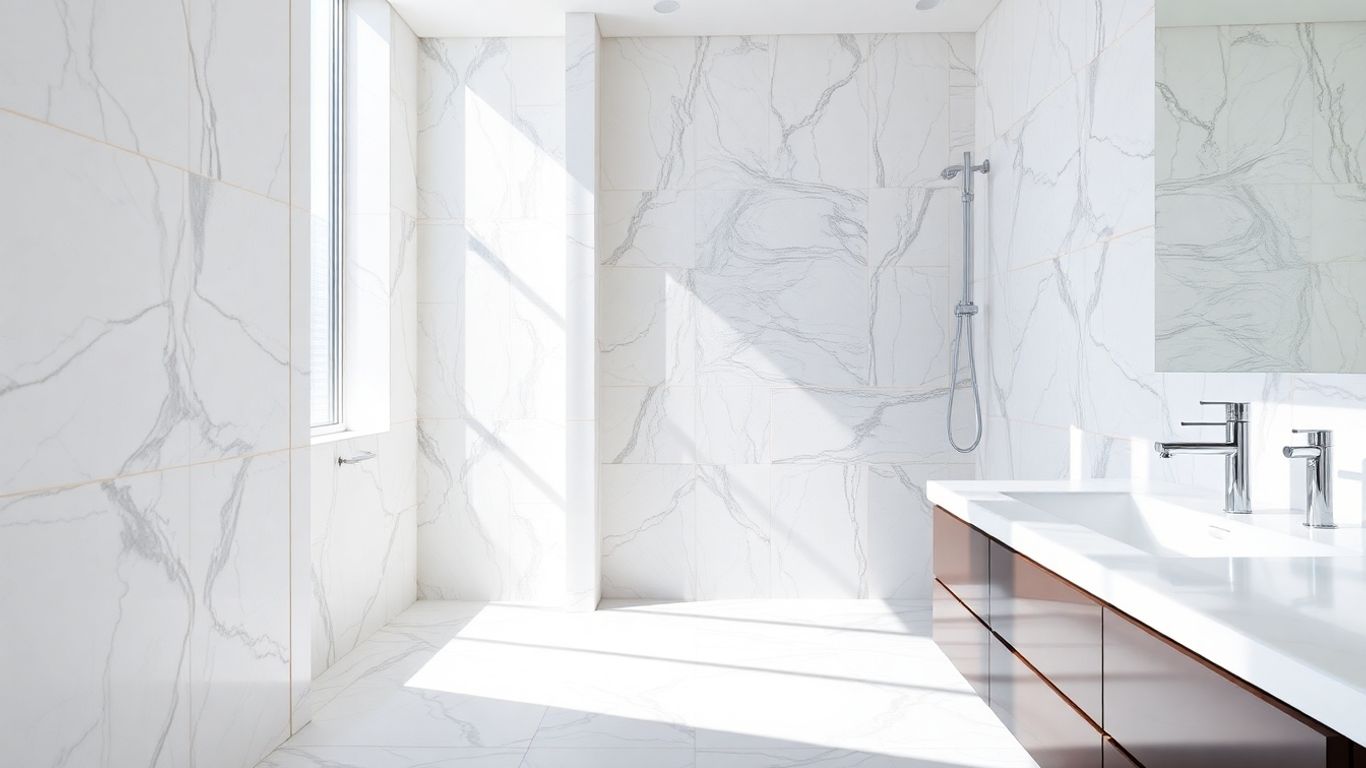
Right then, let’s talk materials. This is where things can get a bit tricky, because bathrooms are basically steamy, splashy places, so whatever you pick needs to be able to handle it. Picking the wrong stuff here can lead to a whole heap of bother down the line, like mould or peeling paint, and nobody wants that.
Think about what you’re using for your floors and walls. Ceramic or porcelain tiles are usually a safe bet because they’re tough and don’t mind a bit of water. If you’re going for something a bit fancier, like natural stone, just make sure it’s properly sealed. You can find some really lovely options for durable bathroom remodels that look amazing and will last for ages.
When you’re choosing paint or wallpaper, look for ones that are specifically made for bathrooms. They’ve got special coatings to stop moisture from causing problems. It might seem like a small detail, but it makes a big difference.
Here’s a quick rundown of what to keep in mind:
- Moisture Resistance: This is non-negotiable. Your tiles, paint, grout, and even vanity should be able to cope with humidity.
- Durability: Bathrooms get a lot of use. Choose materials that can stand up to daily wear and tear.
- Maintenance: How easy is it to clean? Some materials look great but are a nightmare to keep looking good.
- Style: Of course, you want it to look good! But don’t let looks completely overshadow practicality.
It’s really tempting to go for the cheapest option to save a few quid, but honestly, it’s usually not worth it in the long run. Spending a bit more on quality materials now will save you money and stress when you don’t have to fix things later.
3. Ventilation
Right then, let’s talk about ventilation. This is something people often forget about, but it’s a biggie. Bathrooms get steamy, don’t they? All that hot water and not enough airflow can lead to all sorts of bother, like mould creeping in and paint peeling off. Nobody wants that.
You really need to get this sorted from the start. The best setup usually involves a good quality exhaust fan that actually vents outside – don’t just let it blow into the loft, that’s a recipe for damp. If you can, having an operable window is a brilliant bonus for letting fresh air in. It makes a massive difference to how the room feels and stays fresh.
Here’s a quick rundown of what to aim for:
- Install a decent exhaust fan: Make sure it’s powerful enough for the size of your bathroom. You don’t want one that’s struggling.
- Consider a window: If your layout allows, a window that opens is a game-changer for natural airflow.
- Regularly check and clean: Fans and vents can get clogged up, so give them a once-over now and then.
Getting the ventilation right is key to a long-lasting, pleasant bathroom, and it’s not as complicated as it sounds. It’s worth looking into options for bathroom ventilation systems to see what fits your space best.
4. Lighting Needs
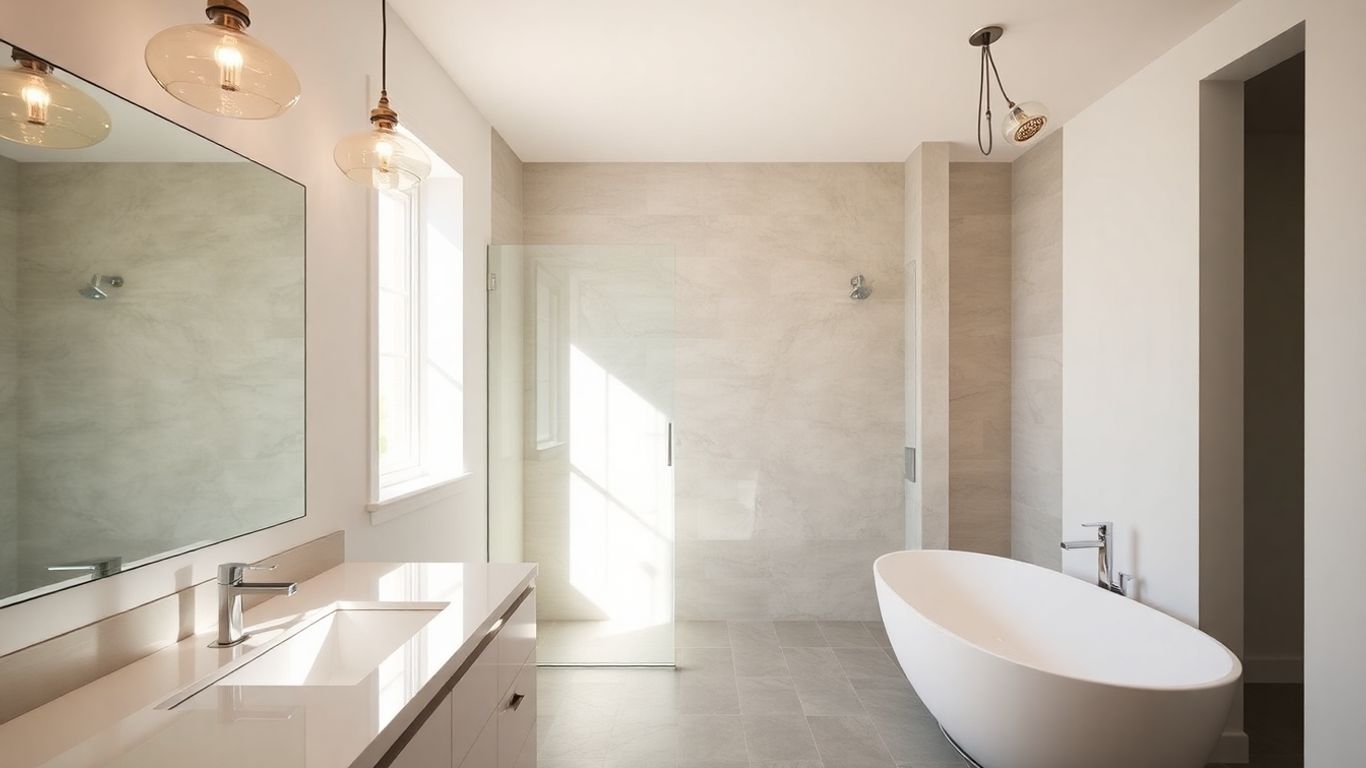
Right, let’s talk about lights. It sounds simple, doesn’t it? Just bung a light in the ceiling. But honestly, getting the lighting sorted in your bathroom is a bit more involved than you might think, and it makes a massive difference to how the room feels and works. You don’t want a bathroom that feels like a dingy interrogation room, do you?
Think about what you actually do in the bathroom. You’re probably shaving, doing your makeup, brushing your teeth, or maybe just trying to find your toothbrush in the dark. All these things need decent light. The main overhead light is fine for general illumination, but it often casts shadows right where you don’t want them, especially on your face when you’re standing at the mirror. That’s where task lighting comes in. Little lights either side of the mirror, or a good strip light around it, will give you a much more even and flattering glow. It makes a world of difference for grooming.
Then there’s ambient lighting. This is more about setting a mood. Maybe some softer lights in the corners, or even a dimmer switch on the main light so you can tone it down for a relaxing bath. It’s all about layers. You want to be able to switch between bright and functional, and calm and cosy.
Here’s a quick breakdown:
- Ambient Lighting: Your main ceiling light. Good for overall brightness.
- Task Lighting: Lights around the mirror. Absolutely vital for grooming.
- Accent Lighting: Think spotlights on nice tiles or a dimmer for mood.
Don’t forget about the actual bulbs. Cool white can feel a bit clinical, while warm white is generally more inviting. Check the lumens (brightness) and colour temperature to get it just right for your space. And if you’re putting lights near the shower, make sure they’re rated for wet areas – safety first!
5. Professional Help
Right, let’s talk about getting some help. While it’s tempting to think you can tackle everything yourself, especially if you’re feeling handy, a bathroom renovation can get complicated pretty quickly. We’re talking about plumbing, electrics, and tiling – things that, if done wrong, can cause a whole heap of trouble and cost you a fortune to fix.
It’s often worth bringing in the experts for the trickier bits. Think about it: a leaky pipe or faulty wiring isn’t just annoying, it can be a real safety hazard. So, for anything involving moving pipes, changing electrical layouts, or even just making sure everything’s up to code, a qualified plumber or electrician is your best bet. They’ve got the know-how and the right tools to get it done properly the first time.
And what about the look of the place? If you’re struggling to visualise how everything will fit together or you’re not sure about the best layout, a bathroom designer can be a lifesaver. They can help you make the most of your space and pick out materials that look good and work well in a damp environment. It’s not just about aesthetics; it’s about making the room practical for everyday use.
Here’s a quick rundown of when to call in the pros:
- Plumbing: Moving toilets, showers, or sinks; any major pipework changes.
- Electrics: Adding new sockets, changing lighting circuits, or installing extractor fans.
- Tiling: For intricate patterns or large areas where a perfect finish is key.
- Design: If you’re stuck on layout, flow, or material choices.
Don’t be afraid to ask for help. Hiring professionals for specific jobs might seem like an extra cost, but it can save you a lot of stress, time, and money in the long run by avoiding costly mistakes and ensuring your new bathroom is safe and built to last.
6. Budget
Right, let’s talk money. This is probably the least fun part of any renovation, but it’s super important. You really need to have a solid idea of what you can afford before you even start looking at shiny new taps. It’s easy to get carried away with all the lovely options out there, but a realistic budget will save you a lot of heartache later on. Think about breaking it down into different areas: materials, labour, and then a bit extra for those ‘oh no!’ moments that always seem to pop up.
Here’s a rough idea of where your money might go:
- Fixtures: Toilets, sinks, baths, showers. These can vary wildly in price.
- Tiles: Floor and wall tiles. Don’t forget grout and adhesive!
- Vanity and Storage: Cabinets, shelves, mirrors.
- Lighting and Ventilation: New lights, extractor fans.
- Labour: Plumbers, electricians, tilers, decorators. This is often the biggest chunk.
- Contingency: Aim for at least 10-15% of your total budget for unexpected issues.
It’s a good idea to spend a bit more on the things you’ll be using and seeing every day, like your shower and taps. You can sometimes save a bit on things that aren’t as obvious, but make sure you’re not cutting corners on quality where it really matters. Think about what you’ll be touching and looking at most often.
Don’t forget to factor in the cost of things like paint, sealant, and even the little bits like new toilet roll holders. It all adds up, so get a detailed quote from your tradespeople and try to stick to it as much as possible. If you’re tempted to splurge on something, see if you can trim back elsewhere to compensate. It’s all about finding that balance.
7. Vanity
Right then, let’s talk about the vanity. This isn’t just a place to stick your toothbrush; it’s a pretty big deal in the whole bathroom setup. Choosing the right vanity can totally change how your bathroom looks and feels. Think about how much storage you actually need. Are you someone with loads of lotions and potions, or do you keep things pretty minimal? This will help you decide between drawers, cupboards, or maybe even open shelving.
Consider the size and shape too. You don’t want something that makes the room feel cramped, especially if you’ve got a smaller bathroom. It’s worth looking at different styles to see what fits best. For instance, a wall-mounted vanity can give a more modern, airy feel, while a freestanding unit might offer more storage.
Here are a few things to ponder:
- Storage needs: How much space do you need for toiletries, towels, and cleaning supplies?
- Style: Does it match the overall look you’re going for – modern, traditional, rustic?
- Material: Think about durability and how easy it is to clean. Stone, wood, or laminate all have different pros and cons.
- Sink type: Will it be a countertop basin, an undermount sink, or a pedestal sink?
Don’t forget to measure up properly before you buy. You’ll want to make sure there’s enough space around it for doors to open and for people to move comfortably. It’s a bit like picking out a new sink – the details matter.
And what about the worktop? You’ve got options like quartz, granite, or even solid wood. Each has its own look and maintenance requirements. So, really give this piece some thought; it’s more than just furniture, it’s a workhorse in your bathroom.
8. Tile Size
Right then, let’s talk tiles. It might sound a bit daft, but the size of your tiles can actually make a surprisingly big difference to how your bathroom looks and feels. You might be eyeing up those massive slabs, thinking they’ll make the place look super modern, and they can, but they also come with their own set of considerations.
Don’t just assume the size you see on the packaging is the exact size you’ll get once they’re laid. Sometimes, especially with tiles bought from places that use European sizing, the quoted dimensions might include the grout line. This can throw off your whole layout, especially if you’re planning specific features like recessed shelves or niches. It’s a small detail, but it can cause headaches if you’re not aware of it.
Here’s a quick rundown of what to think about:
- Large Format Tiles (e.g., 60cm x 60cm or bigger): These can make a small bathroom feel bigger because they have fewer grout lines, creating a more continuous look. They’re also generally easier to clean. However, they can be trickier to install, especially on uneven surfaces, and might need a professional touch. If you’re thinking about these, it’s worth checking out tile installation services to get an idea of costs.
- Medium Format Tiles (e.g., 30cm x 60cm): This is a really popular choice for bathrooms. They offer a good balance between a modern look and ease of installation. They work well on both floors and walls and are quite forgiving with layouts.
- Small Format Tiles (e.g., mosaics or 10cm x 10cm): These are great for adding detail or for areas that need more grip, like shower floors. They can be more labour-intensive to lay due to the number of grout lines, but they offer a lot of design flexibility.
When you’re choosing, think about the overall scale of your bathroom. A tiny room might feel overwhelmed by massive tiles, while a large space could look a bit busy with too many small ones. It’s all about balance.
So, before you get carried away with the look, have a little think about the practicalities of the tile size you’re going for. It’s a small detail that can have a big impact on the final result.
9. Furniture
Right then, let’s talk furniture. It’s not just about the big stuff like the vanity or the loo, is it? Think about what you actually use in there. Do you need a little stool for your book and cuppa, or maybe some floating shelves for all those lotions and potions? Choosing the right furniture can really make or break the feel of your new bathroom.
When you’re picking out pieces, consider the overall style you’re going for. A sleek, modern vanity might look a bit out of place with a more traditional suite, for example. It’s all about making things flow. And don’t forget about storage! It’s easy to end up with clutter, so think about built-in cabinets or even a slimline storage unit if space is tight. You don’t want to be tripping over things, do you?
Here are a few things to ponder:
- Vanity Unit: This is usually the star of the show. Think about whether you want a pedestal sink, a wall-hung unit, or a vanity with drawers. The material matters too – wood can look lovely but needs good sealing against moisture.
- Storage Solutions: Shelving, cabinets, baskets – whatever you need to keep things tidy. Consider wall-mounted options to save floor space.
- Accessories: Things like towel rails, toilet roll holders, and even a small laundry bin. Make sure they match your main fixtures.
It’s a good idea to measure up carefully before you buy anything. You don’t want to get a gorgeous new cabinet home only to find it doesn’t quite fit where you planned. A bit of pre-planning here saves a lot of hassle later on.
Think about how you use your bathroom day-to-day. If you’re someone who likes to have everything on hand, you’ll need more accessible storage. If it’s more of a quick in-and-out situation, you might get away with less. For some brilliant ideas on transforming your space, check out these bathroom remodel ideas.
10. Temporary Bathroom Setup
Right, so your bathroom is out of action. This is where things can get a bit tricky, especially if you live alone or with a big family. You can’t exactly go days without a proper wash, can you? You’ll need a plan for a temporary setup to keep things running smoothly.
Think about where you can create a makeshift washing area. A spare room or even a corner of a larger bedroom could work. You might want to set up a folding table to act as a temporary vanity. Pop your essential toiletries, makeup, and hair styling bits on there. If you’ve got a mirror handy, even better. It’s all about making your daily routine as painless as possible while the main event is happening.
Here’s a quick list of things to consider for your temporary setup:
- Toiletries: Pack up your daily essentials – toothbrush, toothpaste, face wash, moisturiser, etc.
- Hair Care: Hairbrush, styling products, hairdryer if you have space.
- Makeup: Keep your everyday makeup easily accessible.
- Towels: Make sure you have a few clean ones ready to go.
- Cleaning Supplies: A small spray bottle of cleaner and some cloths might be handy for quick wipe-downs of your temporary station.
Don’t forget about laundry. If your washing machine is in the bathroom, you’ll need to figure out an alternative spot or plan for a trip to the launderette. Also, consider how you’ll manage waste – a small bin for your temporary setup is a good idea.
It might seem like a faff, but having a designated spot for your personal care items will make a huge difference. It stops things from getting lost and makes the whole renovation process feel a little less disruptive. You’ll thank yourself later when you’re not rummaging through boxes for your toothbrush!
Setting up a temporary bathroom can be a lifesaver when your main one is out of action. It’s all about making a functional space quickly. Think about where you’ll put it and what you’ll need. For expert advice on getting this sorted, check out our services on our website.
So, there you have it!
Right then, that’s our top five tips for getting your bathroom sorted. It might seem like a lot to think about, and honestly, it can be. But if you take your time, plan things out properly, and don’t shy away from asking for a bit of help when you need it, you’ll end up with a bathroom you actually love. No more dreading going in there, eh? Just a nice, fresh space that works for you. Happy renovating!
Top 5 Tips for a Successful Bathroom Renovation
What’s the most important thing to do before starting my bathroom renovation?
Honestly, the biggest win is proper planning! Before you even think about picking out shiny new taps, sit down and really figure out what you want. Think about how you use your bathroom every day. Do you need more storage? Is the layout working for you? Sketching out your ideas and looking for inspiration online or in magazines can save you loads of hassle later on. It’s also super important to set a realistic budget right from the start. Factor in everything – materials, labour, and a little extra for those unexpected bits that always seem to pop up.
How do I pick the right materials for my bathroom?
Bathrooms get pretty steamy, right? So, you need materials that can handle the moisture. Think ceramic or porcelain tiles for the floor – they’re tough and look great. For walls, make sure you use paint or wallpaper that’s designed to resist dampness. It might be tempting to go for the cheapest option, but trust me, investing in good quality stuff now will save you money and headaches in the long run. It’s all about finding things that are both stylish and can stand up to the bathroom environment.
Why is ventilation so crucial in a bathroom?
You might not think about it much, but good ventilation is a massive deal in a bathroom. Without it, all that steam from showers and baths just hangs around, which is a perfect recipe for mould and mildew to grow. This can damage your paint, make things smell musty, and generally make your lovely new bathroom look a bit grim. So, make sure you’ve got a decent exhaust fan that’s the right size for your room, or if possible, a window that you can open to let the fresh air in.
What’s the best way to light my bathroom?
Lighting is more important than you might think! A single, dim light in the ceiling just won’t cut it. You need to think about different types of lighting. Have a good main light for overall brightness, some focused lights around the mirror for when you’re doing your hair or makeup (task lighting!), and maybe even some softer, mood lighting for a bit of a spa feel. Dimmable switches are a great idea too, giving you loads of flexibility. Position lights around your mirror so you get even light on your face, rather than shadows.
When should I consider getting professional help for my bathroom renovation?
While it’s tempting to DIY as much as possible, some jobs are best left to the pros. Things like complex plumbing, electrical wiring, or tricky tiling often need expert skills. If you’re not confident in these areas, hiring a qualified plumber or electrician is a smart move. It ensures everything is done safely and correctly, avoiding potentially costly mistakes down the line. A designer can also be a lifesaver if you’re stuck on the layout or overall look.
What do I do if my bathroom is completely unusable during the renovation?
Living without a bathroom is a pain, so it’s smart to have a plan B! You could set up a temporary vanity area in another room, like your bedroom. Just a table with your essential toiletries, makeup, and a mirror can make a big difference. Keep a box with the things you’ll need daily handy. Also, remember to pack up your bathroom items a couple of days before work starts to avoid last-minute stress and digging through boxes.