
Thinking about sprucing up your place in the South Hams? It’s a great idea to make your home cosier and save a bit on those energy bills. We’ve put together some top south hams home upgrades that can make a real difference, whether you’re in a listed cottage or a more modern build. Let’s take a look at what could work for you.
Key Takeaways
- Improving your home’s insulation, both in the walls and loft, is a solid first step to keeping it warm and cutting down on heating costs.
- Upgrading to double glazing can significantly reduce heat loss and make your home feel more comfortable, especially during those blustery Devon days.
- Modern heating systems, like efficient storage heaters or even heat pumps, can be a game-changer for lowering your energy use and carbon footprint.
- Making sure your home is airtight and has good ventilation is important for both comfort and preventing damp issues.
- Considering your hot water system and looking at options like efficient tanks or point-of-use heaters can also contribute to energy savings.
1. Wall Insulation
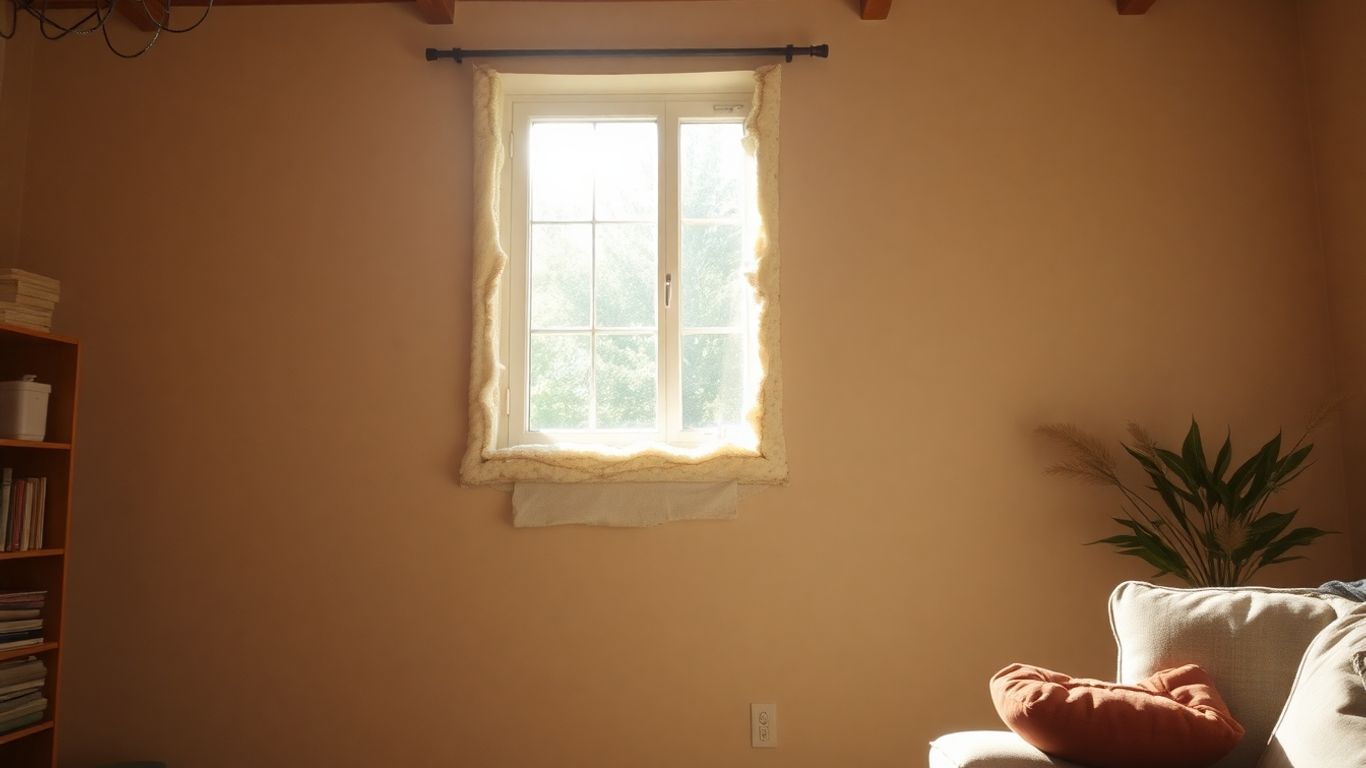
When you’re thinking about making your South Hams home warmer and cutting down those energy bills, don’t forget about your walls. They’re a massive source of heat loss, often more than you might realise. Getting your walls insulated is one of the most effective upgrades you can make. There are a few ways to go about it, and the best option for you really depends on your house.
First up, there’s cavity wall insulation. This is usually the easiest and cheapest option if your house was built with a gap, or cavity, in the walls. They just drill a few small holes and blow in insulation material. It doesn’t change how your house looks from the outside at all, which is a big plus, especially if you’re in a conservation area or just like the look of your existing brickwork. The downside is that it’s not as effective as other methods because the cavity itself is often quite narrow, and it might not be suitable if your walls are prone to damp.
Then you’ve got internal wall insulation. This involves adding insulation to the inside of your walls. It can give you a really good thermal performance and also helps make your home more airtight. The catch? It’s a bit more disruptive. You’ll likely need to move radiators, skirting boards, and maybe even lift floorboards. It also means you lose a little bit of space inside each room as the wall thickness increases.
Finally, there’s external wall insulation. This is where they clad the outside of your house with insulation boards and then render over them. It’s less disruptive inside than internal insulation and doesn’t affect your room layouts. It can also achieve a very high level of insulation. However, it will change the appearance of your home, so you’ll need to check if you need planning permission, especially if you have decorative features or are in a protected area. It can also be more costly upfront.
Before you decide, it’s a really good idea to get a professional assessment. They can tell you what type of walls you have and which insulation method will work best for your specific property and its condition. Getting it wrong can lead to damp issues, so professional advice is key.
Here’s a quick rundown of the main types:
- Cavity Wall Insulation: Best for houses with existing wall cavities. Low disruption, maintains external appearance. Might not be suitable for damp-prone walls.
- Internal Wall Insulation: Good thermal performance, maintains external appearance. More disruptive internally, reduces room space.
- External Wall Insulation: High thermal performance, minimal internal disruption. Changes external appearance, may require planning permission.
2. Loft Insulation
Right then, let’s talk about your loft. It’s one of those places in the house that often gets forgotten about, but it’s a massive source of heat loss. Think of it like a cosy hat for your house – without it, all that lovely warmth just escapes into the sky. Adding loft insulation is probably the most cost-effective way to make your home warmer and cut down on those energy bills. It’s not rocket science, and for most homes, it’s a pretty straightforward job.
There are a few ways to go about it, but the most common is laying rolls of insulation material across the floor joists. You can get different types, like mineral wool, sheep’s wool, or even recycled materials. The key is to get a good, even layer. Most people aim for around 270mm thickness, which is a decent amount to make a real difference. You’ll want to make sure you don’t block any ventilation points, though, as that can cause damp issues.
Here are a few things to keep in mind:
- Check for existing insulation: See what’s already there. Sometimes it’s just a thin layer that needs topping up.
- Clear the space: Make sure the loft is clear of junk. You’ll need room to work and lay the insulation properly.
- Mind the pipes and wires: Be careful around any electrical cables or water pipes. You don’t want to damage anything.
- Ventilation is key: Don’t block up the eaves vents. Proper airflow is important to prevent moisture build-up.
When you’re adding insulation, especially in older properties, it’s worth thinking about how moisture moves around. Using the right kind of insulation and making sure there’s adequate ventilation can stop damp problems from cropping up later on. It’s all about creating a balanced environment.
If you’re thinking about other home improvements, like getting a new kitchen fitted, it might be a good time to get the loft sorted too. You can find some great kitchen fitting services in Devon if that’s on your list.
Don’t forget to check the depth of your insulation. A simple tape measure can tell you if you’re getting close to the recommended levels. It’s a small job that pays off big time in comfort and savings.
3. Double Glazing
Right then, let’s talk windows. If your house is still rocking the original single-glazed units, then upgrading to double glazing is a pretty big win. It’s one of the most noticeable home improvements you can make for comfort and energy saving. Think about it – that old glass is basically a sieve for heat. Modern double glazing can cut heat loss by a good amount, making your rooms feel warmer, especially in those chilly South Hams winters. You know how the inside of your window can get really cold and even damp? Double glazing stops that happening as much, keeping the inside surface warmer.
When you’re looking at new windows, it’s worth checking out the U-values. This is just a measure of how well the window stops heat escaping. Newer double glazing is much better than older stuff, and if you can stretch to it, triple glazing is even more efficient, though often not strictly necessary for most homes.
- Check the seals: Even if you have double glazing already, the seals between the panes can fail after 20-25 years. This means they lose their effectiveness. Sometimes you can just replace the glass units without changing the whole frame, which can be a bit cheaper.
- Frame condition: Be a bit careful with older uPVC frames, as they can get brittle over time and might break when you’re trying to swap out the glass.
- Ventilation: Make sure any new windows have trickle vents. These are small openings that let a bit of air in, which helps stop moisture building up inside your home, especially if you don’t have other ventilation systems.
If you’ve got a period property, you might need to look into secondary glazing or special vacuum-insulated panels that can be fitted to your existing frames. It’s all about keeping that heat in without messing up the look of your lovely old house. You can find out more about property services from places like SCR Property Services.
Sometimes, the sun can be a bit too much, even in the UK! If your windows get a lot of direct sun, especially south-facing ones, they can make your home overheat in summer, even if they’re good at keeping heat in during winter. It’s worth thinking about which windows get the most sun when you’re planning replacements.
4. Modern Heaters
When it comes to heating your home in the South Hams, there’s a whole world beyond your old trusty boiler. We’re talking about modern heaters that can make a real difference to your comfort and your bills. Think about things like heat pumps, which are becoming really popular. They’re clever devices that pull heat from the air or the ground and use it to warm your home and hot water. They’re much more efficient than traditional electric heaters, and a lot better for the environment too.
There are two main types to consider:
- Air Source Heat Pumps (ASHP): These take heat from the outside air. They need to be fitted outside your house, but they’re generally simpler to install than ground source ones.
- Ground Source Heat Pumps (GSHP): These tap into the heat stored in the ground. They can be even more efficient and quieter, but the installation is more involved, often needing digging in your garden.
One of the key things with heat pumps is how you use them. They work best when they’re left on to maintain a steady temperature, rather than being switched on and off frequently. It’s like keeping a gentle warmth going all the time, which uses less energy than trying to blast heat into a cold house.
When you’re looking at heat pumps, remember that the radiators they connect to might feel a bit cooler than what you’re used to with a gas boiler. This is normal, as they’re designed to work differently. They often have a ‘weather compensation’ feature, meaning they adjust the radiator temperature based on the outside weather – clever, eh? This helps save energy. If you’re thinking about upgrading your heating system, it’s worth looking into the options available for efficient home heating.
It’s also worth noting that while the upfront cost of a heat pump can be higher, they can significantly cut down your energy bills over time. Plus, many come with warranties, often between 5 to 10 years, giving you peace of mind.
5. Storage Heaters
Right then, let’s talk about storage heaters. These old faithfuls have been around for ages, and for good reason. They work by soaking up cheap, off-peak electricity overnight and then releasing that warmth into your rooms throughout the day. This means you can potentially save a good chunk of money on your energy bills, especially if you’re on a tariff that offers lower rates after midnight.
They’re a bit different from your standard radiators. Instead of being heated by hot water from a boiler, storage heaters generate their own heat using electricity. This means they don’t need all that pipework running through your house, just a simple electrical connection. This can make them a bit easier to install in some cases, particularly if you’re not planning a full system overhaul.
Here’s a quick rundown of what to consider:
- How they work: They have internal ‘bricks’ that get hot overnight when electricity is cheaper. This heat then radiates out during the day.
- Types: You’ve got manual and automatic storage heaters. The automatic ones are a bit cleverer, adjusting how much heat they store based on the weather and your usual heating patterns.
- Efficiency: Modern storage heaters are much better than the older models. They often have better insulation and controls to stop heat escaping when you don’t need it.
One thing to keep in mind is that they’re best suited to homes where you can keep the heating on a low, consistent temperature throughout the day. If you tend to blast the heating on and off, you might find they struggle to keep up. They’re not really designed for rapid heating of a cold room. It’s more about maintaining a comfortable background warmth. If you’re looking for a way to manage your heating costs using off-peak electricity, storage heaters are definitely worth a look. You can find out more about different heating systems on SCR Property Services website.
6. Heat Pumps
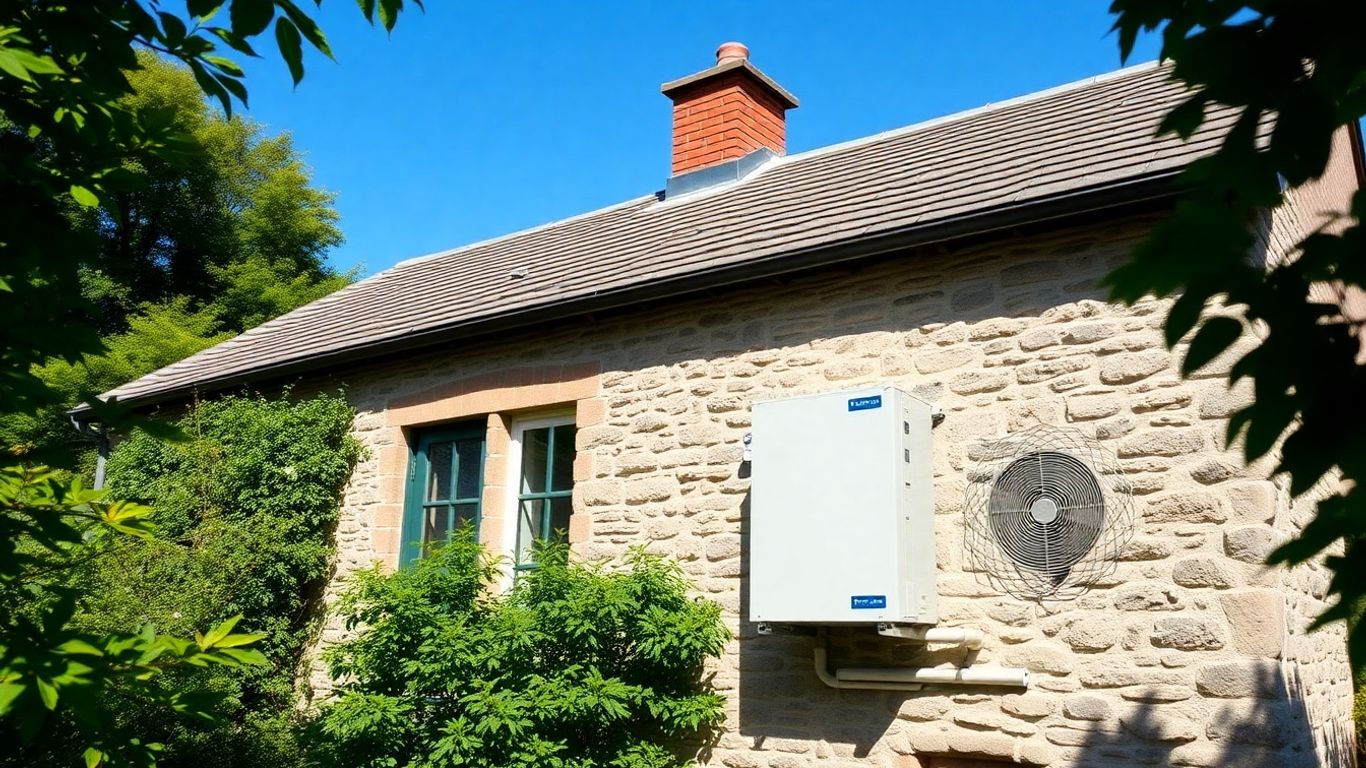
Heat pumps are a really smart way to heat your home, and they’re becoming more popular around South Hams. Basically, they work a bit like a fridge in reverse. Instead of taking heat out of your home, they take heat from the outside air or the ground and move it inside to warm your house and hot water. This means they use electricity, but they’re super efficient because they’re moving heat rather than creating it from scratch. You’ll often hear about two main types: Air Source Heat Pumps (ASHP) and Ground Source Heat Pumps (GSHP).
ASHP are generally easier to install as they just need an outdoor unit, but their efficiency can dip a bit when it’s really cold outside. GSHP, on the other hand, use pipes buried in the ground. The ground temperature stays pretty steady all year round, so they’re usually more efficient and quieter, but the installation is a bigger job, involving digging up your garden.
The big win with heat pumps is that they can produce significantly more heat energy than the electricity they consume. For example, a heat pump with a Coefficient of Performance (CoP) of 4 will give you 4kW of heat for every 1kW of electricity used. This can lead to some serious savings on your energy bills and a much lower carbon footprint for your home.
When thinking about getting one, it’s not just about picking the biggest one. You need to get the sizing right for your specific home, considering things like:
- How well insulated your house is.
- The size of your radiators or if you have underfloor heating.
- The overall size of your property and how much heat you need.
It’s also worth knowing that heat pumps work best when they’re left on to maintain a steady temperature, rather than being switched on and off frequently. They’re designed to run constantly at a lower temperature, which is more efficient than blasting out high heat for short periods. They’re a long-term investment, often lasting 20-30 years with good maintenance, and usually come with a decent warranty.
While the upfront cost of a heat pump can be higher than a traditional boiler, the long-term savings on energy bills and the environmental benefits make them a really attractive option for homeowners looking to upgrade their heating system in the South Hams.
7. Mechanical Ventilation
Right then, let’s talk about keeping your South Hams home breathing properly. As we make our homes more airtight and insulated – which is brilliant for saving energy, by the way – we also need to think about how to get fresh air in and stale air out. If you don’t, you can end up with damp issues, mould, and generally not-so-great air quality. That’s where mechanical ventilation comes in.
Mechanical ventilation systems actively manage the air in your home. Unlike just opening a window, these systems use fans to control airflow. There are a few types, but the main ones you’ll hear about are MEV (Mechanical Extract Ventilation) and MVHR (Mechanical Ventilation with Heat Recovery).
An MEV system typically has one fan that pulls air out of the house, usually from places like bathrooms and kitchens. Fresh air then comes in through vents, often in your windows. It’s simpler and cheaper to buy than MVHR, but it doesn’t recover any heat from the outgoing air, so you’re losing warmth.
MVHR is a bit more advanced. It extracts stale air and brings in fresh air simultaneously, but crucially, it has a heat exchanger that transfers heat from the outgoing air to the incoming fresh air. This means you get fresh air without a big hit to your heating bill. It’s a more efficient way to ventilate, especially in a well-sealed home, and can significantly cut down on the energy needed to warm up incoming air. You can find out more about sustainable building practices at Energy Saving Devon.
Here’s a quick rundown of the main types:
- MEV (Mechanical Extract Ventilation):
- Extracts stale air from wet rooms (kitchens, bathrooms).
- Fresh air enters via trickle vents or gaps.
- Simpler and cheaper to install.
- Doesn’t recover heat.
- MVHR (Mechanical Ventilation with Heat Recovery):
- Extracts stale air and supplies fresh air simultaneously.
- Recovers heat from outgoing air to warm incoming air.
- More energy-efficient, reduces heat loss.
- Can filter incoming air.
When you’re improving your home’s airtightness, it’s really important to make sure you’ve got a good ventilation strategy in place. Without it, you risk trapping moisture, which can cause all sorts of problems for both your house and your health. Mechanical ventilation is the best way to manage this properly.
Choosing the right system depends on your home and your budget, but for a South Hams home that’s being upgraded for better energy performance, an MVHR system is often the best bet for comfort and long-term savings.
8. Air Tightness
You know how sometimes you can feel a draft, even when all the windows and doors are shut? That’s basically your house letting warm air out and cold air in, and it means you’re probably using more energy than you need to keep things cosy. Making your home more air tight is a really effective way to stop this uncontrolled air leakage and save on your heating bills.
Think of it like sealing up any little gaps or cracks. The most common culprits are where different parts of your house meet, like around windows and doors. Even though they have seals when closed, the frames themselves can let air through, especially in older homes where fillers might have shrunk over time. Old brickwork can also be a bit leaky if the mortar joints are crumbling.
The goal is to create a continuous barrier around your home’s living space. This barrier can be made from different materials, but the key is that it’s unbroken. It could be special air-tightness membranes, plasterboard, or even a good coat of plaster. It’s often best to have this barrier on the inside, where it’s protected.
Here are a few things to consider when aiming for better air tightness:
- Sealing around openings: Use good quality tapes specifically designed for air tightness around window and door frames. Make sure any gaps between the frame and the wall are properly filled.
- Checking existing structures: For older homes, look at the mortar joints in brickwork and any potential gaps where pipes or wires enter the house. These are often overlooked spots for drafts.
- Continuity is key: Whether you’re insulating or sealing, ensure there are no gaps where warm air can escape or cold air can sneak in. This applies to junctions between walls, floors, and ceilings.
It’s worth noting that while making your home more air tight is great for energy saving, it also means you need to think about ventilation. If your house was previously a bit leaky, that leakage was actually helping to keep the air fresh. Once you seal it up, you’ll need a proper way to manage humidity and ensure good indoor air quality. This might involve things like trickle vents or even a mechanical ventilation system. If you’re unsure about the best approach for your home, getting some professional advice from a local handyman service like SCR Property Services could be a good idea.
Making your home more air tight is a really smart move for saving energy, but it’s not just about slapping on some sealant. It’s about understanding where the air is escaping and creating a continuous barrier. And remember, with better air tightness comes the need for controlled ventilation to keep your home healthy and comfortable.
9. Velux Windows
If you’ve got a loft space that you’re thinking of converting, or even just want to get more natural light into an existing one, Velux windows are a pretty popular choice. They’re essentially skylights, designed to fit right into your roofline. They can make a massive difference to how bright and airy a room feels.
When you’re looking at upgrading your home, especially if you’re considering any roof work, it’s worth thinking about adding these. They’re not just about light, though. A well-placed Velux can also help with ventilation, which is a big plus for preventing dampness, particularly in older properties. You’ll find they come in all sorts of sizes and styles, from basic manual opening ones to electric versions with remote controls and even built-in blinds.
Here are a few things to consider:
- Type of window: Think about whether you want a centre-pivot, top-hung, or maybe even a special conservation rooflight if you’re in a listed building or conservation area.
- Operation: Manual, electric, or solar-powered? This often depends on accessibility and budget.
- Glazing: Like regular windows, you can get different levels of insulation. For South Hams homes, especially those prone to a bit of sea air, good quality, low-maintenance glazing is a good idea.
- Installation: This is key. Getting them fitted properly by someone who knows what they’re doing is vital to avoid leaks and ensure they perform well. It’s worth checking out local installers, perhaps through services like SCR Property Services.
While they let in light and air, it’s important to remember that they are still openings in your roof. Proper sealing and maintenance are important to keep your home warm and dry.
Upgrading your windows, whether they’re Velux or standard ones, can really help with your home’s overall energy efficiency. They can reduce the need for artificial lighting during the day and, if you choose good quality ones, help keep the heat in.
10. Hot Water Systems
When it comes to keeping your home cosy and comfortable in the South Hams, don’t forget about your hot water! It’s easy to overlook, but an efficient hot water system can make a big difference to your bills and your daily life.
Upgrading your hot water system can lead to significant energy savings and improved comfort.
There are a few options to consider, depending on your current setup and what you’re looking to achieve.
- Solar Thermal Panels: These use the sun’s energy to heat your water. They’re a fantastic way to reduce your reliance on other energy sources. However, they do need a good amount of direct sunlight, so the orientation and any shading on your roof are important factors. You’ll also want to make sure your roof can handle the extra weight.
- Heat Pump Hot Water Systems: These systems work a bit like a fridge in reverse, using electricity to move heat from the air or ground into your water cylinder. They’re really efficient, using less energy than traditional methods. The hot water cylinder is usually kept at a constant temperature, and the system tops it up as you use it. Some systems even have an automatic cycle to prevent issues like legionella.
- Modern Boilers: If you’re still on an older boiler, upgrading to a newer, more efficient model can be a straightforward win. These are designed to use less fuel to produce the same amount of heat.
When thinking about a new system, especially if you’re considering a heat pump, it’s worth remembering that they work best when the house is kept at a relatively constant temperature. Turning the heating off completely can mean it takes a lot of energy to warm everything back up. For hot water specifically, the system will often prioritise keeping the cylinder topped up, which is great for consistent hot water.
It’s a good idea to get a professional opinion on what will work best for your specific home. Someone like SCR Property Services, with their experience in plumbing and electrical work, can help you figure out the best fit for your needs and ensure it’s installed correctly.
Remember, a well-maintained and efficient hot water system is key to a comfortable and cost-effective home. If you’re unsure about your current setup, it might be time to look into professional plumbing services to see what upgrades are possible.
When it comes to keeping your home warm and cosy, a reliable hot water system is key. We understand that issues with your boiler or water heater can be a real pain, especially during colder months. That’s why we offer expert help to get your hot water flowing again quickly and efficiently. For all your plumbing needs, including fixing and maintaining your hot water systems, visit our website today to learn more and book a service.
So, what’s next for your South Hams home?
Right then, we’ve gone through a fair bit about making your home a bit cosier and cheaper to run, haven’t we? Whether you’ve got one of those classic granite houses or something a bit more modern, there are definitely ways to make a difference. It might seem like a lot to take in, but remember, you don’t have to do it all at once. Taking small steps, like improving insulation or looking at your heating, can really add up. And if you’re feeling a bit lost, there are people who can help guide you through it. Getting your home sorted is a good feeling, and it’s even better knowing you’re doing your bit for the planet too. Cheers!
Frequently Asked Questions
How much does it cost to insulate my home in South Hams?
The cost can vary a lot depending on what kind of insulation you choose and how big your house is. Some grants might be available to help bring the price down, so it’s worth looking into what support you can get. It’s a good investment though, as it’ll save you money on heating bills in the long run!
Will adding insulation make my house too hot in the summer?
Good insulation actually helps keep your home at a comfortable temperature all year round. It stops heat escaping in the winter and stops too much heat getting in during the summer. So, it should make your home nicer to be in, whatever the weather.
Do I need planning permission for these upgrades?
For most standard upgrades like adding loft or wall insulation, you probably won’t need planning permission. However, if you’re making big changes, especially to older or listed buildings, it’s always best to check with your local council first. They’ll be able to tell you if you need to get approval.
How long does it take to install wall insulation?
It really depends on the type of insulation and your house. For example, injecting insulation into cavity walls can often be done in just a day or two. If it’s a more involved job, like internal or external wall insulation, it might take a bit longer, maybe a week or so. Always ask the installer for a rough timeline.
What’s the difference between storage heaters and modern heaters?
Storage heaters use electricity, often at cheaper night-time rates, to store heat and release it throughout the day. Modern heaters, like panel heaters or radiators, can be controlled more precisely and might be more energy-efficient for direct heating when you need it. Some newer systems, like heat pumps, are even more efficient for the whole house.
Should I get a professional to do the work?
For most of these jobs, especially anything involving heating systems or significant structural changes, it’s a really good idea to get professionals involved. They have the right skills and knowledge to make sure the work is done safely and effectively. For insulation, there are also specialists who can ensure it’s fitted properly to get the best results.