
Right then, let’s talk about keeping your home’s plumbing in good nick. It’s easy to forget about the pipes and taps until something goes wrong, isn’t it? But a bit of regular attention can save you a world of bother and a fair bit of cash down the line. Think of this as your go-to plumbing maintenance checklist to help keep everything flowing smoothly.
Key Takeaways
- Give your taps and showerheads a once-over each month for any drips. Little leaks add up!
- Make sure your drains are clear and water’s not hanging about. A quick baking soda and vinegar job can sort out minor gunk.
- Check your washing machine hoses every three months for cracks or bulges. Nobody wants a flood.
- Twice a year, give those exposed pipes a look for any rust or corrosion. Better safe than sorry.
- Once a year, it’s a good idea to get a professional to have a proper look at the whole system. They’ll spot things you might miss.
Monthly Plumbing Checks
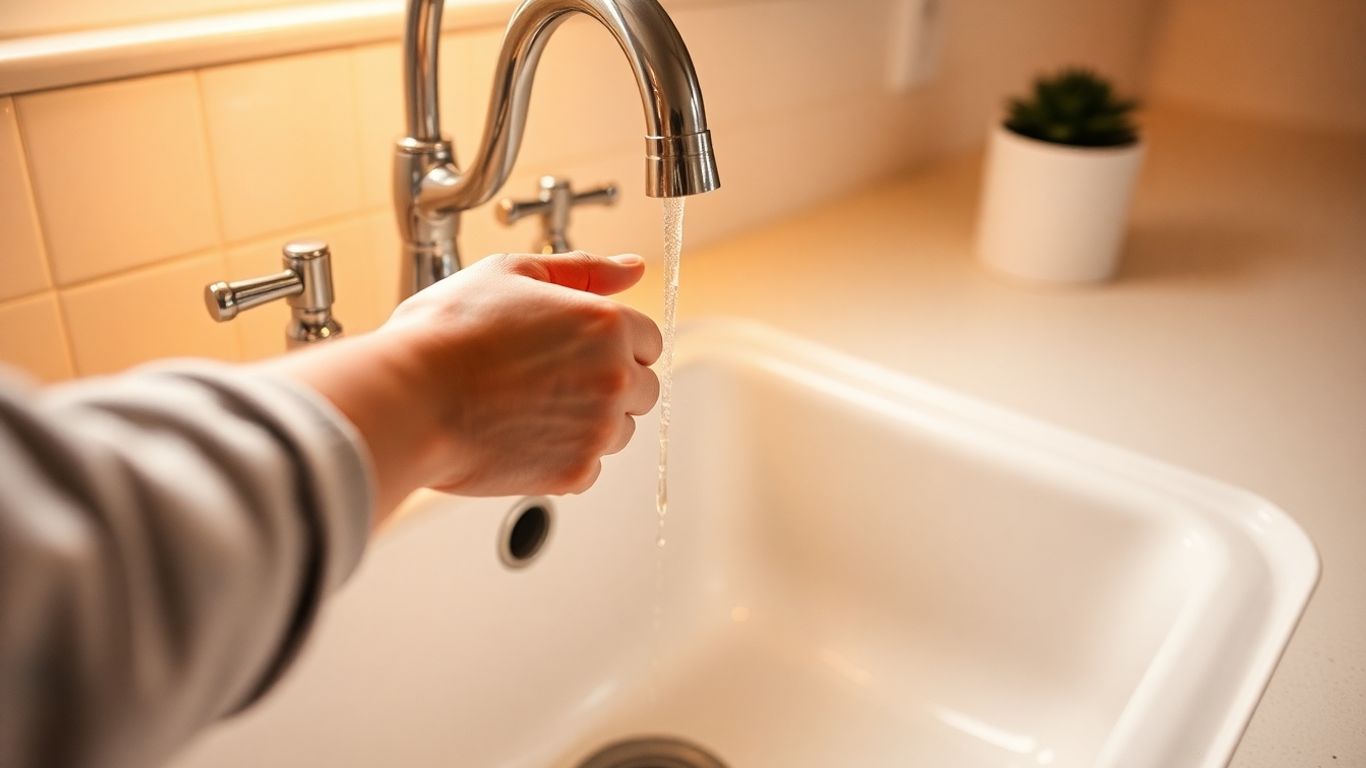
Right then, let’s get stuck into the bits you can easily sort out yourself each month. It’s all about staying on top of things before they turn into a proper headache. Think of it like giving your car a quick once-over before a long trip – just a bit of preventative TLC.
Inspect Faucets and Fixtures
First up, have a good look at all your taps and showerheads. Give them a good once-over for any drips or leaks. Even a tiny drip from a tap can waste a surprising amount of water over time, which you’ll see on your bill. While you’re there, check for any weird build-up, like limescale, or signs of rust. Sometimes, you might see a bit of water pooling around the base of a tap or shower fitting. That’s a definite sign something needs looking at.
Test Drains for Blockages
Next, let’s talk drains. Grab a cup of water and pour it down each sink, shower, and bath. Does it disappear quickly, or does it sit there looking sorry for itself? If it’s draining slowly, you might have the beginnings of a clog. Don’t panic, though. Often, a simple pour of hot water, maybe with a bit of baking soda and vinegar, can sort it out. Just let it sit for about 15 minutes, then flush with more hot water. You can also make sure any drain strainers are clean and free of hair and gunk.
Check Toilet Functionality
Finally, the humble toilet. It’s easy to forget about, but it’s pretty important! Flush each one and listen. Does it refill and stop, or does it keep running? A toilet that runs on after flushing is wasting water and could signal a problem with the flapper or fill valve. Another trick is to put a few drops of food colouring in the cistern. If you see colour appearing in the bowl without flushing, you’ve got a leak that needs fixing. Also, have a quick look around the base of the toilet for any damp spots, which could mean a seal is failing.
Quarterly Plumbing Inspections
Right then, it’s been about three months since you last had a good look at your plumbing, so it’s time for another check-in. These aren’t usually the jobs that scream ’emergency’, but getting them done now can save you a proper headache later on. Think of it as giving your pipes and appliances a bit of a tune-up.
Examine Water Heater Condition
Your water heater is one of those things you just expect to work, right? But it does need a bit of attention now and then. First off, have a good look around the outside. See any rust or damp patches, especially near the bottom? That could be a sign of a leak. Also, listen out for any odd noises – banging or rumbling can mean sediment is building up inside. If you’re feeling brave, you can drain a bucket or two of water from the drain valve at the bottom. If it comes out cloudy or with bits in it, that’s your cue for a full flush (which we’ll cover in the annual checks, but it’s good to know if it’s needed sooner).
Test Sump Pump Operation
If you’ve got a sump pump, this is a really important one, especially if you live in an area prone to heavy rain or flooding. You don’t want to be caught out when the heavens open! The easiest way to test it is to grab a bucket of water and pour it into the sump pit. You should see the water level rise, the pump kick into action, and then start draining the water away. Make sure it doesn’t take ages to start up or drain. If you have a battery backup, now’s the time to check that it’s working too – a power cut is exactly when you’ll need it.
Inspect Washing Machine Hoses
This one is a bit of a lifesaver, literally. Washing machine hoses can look fine on the outside but be on their last legs. A burst hose can flood your utility room (or worse!) in no time at all. So, give them a good once-over. Look for any cracks, bulges, or signs of wear. Give them a gentle squeeze – do they feel brittle or stiff? Also, check where they connect to the machine and the wall tap to make sure they’re snug and not leaking. If they look a bit dodgy, don’t mess about – get them replaced. They’re not expensive, and it’s a small price to pay for peace of mind.
It’s easy to forget about the bits of your home that are hidden away or just ‘do their job’ without fuss. But a little bit of regular attention, even just a quick visual check every few months, can stop small problems from turning into big, expensive disasters. Think of it as preventative medicine for your plumbing.
Biannual Plumbing Maintenance
Right, so we’re halfway through the year again, which means it’s time for another round of plumbing checks. These aren’t the quick fixes you do every month; these are the slightly more involved tasks that keep things running smoothly for the long haul. Think of it as a mid-year service for your pipes and water systems.
Check Exposed Pipes for Corrosion
Have a good look at any pipes you can actually see – the ones under sinks, in the basement, or maybe even in your garage. You’re looking for any signs of rust or corrosion. It often starts as a little discolouration, but left unchecked, it can lead to leaks. If you spot anything suspicious, it’s worth getting it sorted sooner rather than later. Sometimes a bit of a clean and a coat of rust-inhibiting paint can do wonders, but if it looks really bad, you might need to call in a professional.
Clean Faucet Aerators
Those little screw-on bits at the end of your taps? They’re called aerators, and they’re brilliant for mixing air with water to give you a nice, steady flow. The problem is, they can get clogged up with limescale and bits of debris from your water. This can make your water pressure drop or come out all spluttery. To clean them, just unscrew them (you might need pliers, but wrap the jaws in tape to avoid scratching the finish), soak them in a bit of white vinegar for a few hours, give them a scrub with an old toothbrush, rinse, and screw them back on. Easy peasy.
Inspect Outdoor Plumbing Fixtures
Don’t forget about the bits outside! Your garden taps, hose connections, and any other outdoor plumbing need a once-over too. Check your outdoor taps for any drips when they’re turned off – a leaky tap is just a waste of water. Also, give your garden hoses a good look over. Are there any cracks or kinks that might cause a leak next time you need to water the plants? It’s much better to find these things now than when you’re in the middle of a heatwave and desperately need to water the petunias.
Annual Plumbing System Review
Right then, it’s that time of year again to give your plumbing a proper once-over. Think of this as the big health check for your pipes and water systems. It’s not just about fixing things when they break; it’s about spotting potential gremlins before they turn into full-blown disasters. A bit of annual attention can save you a heap of bother and cash down the line.
Schedule Professional Inspection
Honestly, this is probably the most important bit. While you’re doing your own checks, there are things a trained eye can spot that you might miss. A qualified plumber can get into the nitty-gritty, checking for things like hidden leaks, potential corrosion in pipes you can’t easily see, and making sure your whole system is running efficiently. They’ve got the tools and the know-how to spot trouble brewing. It’s a good idea to get this booked in, maybe after the really cold weather has passed, so they can give your system a thorough look.
Evaluate Water Pressure Regulator
Ever noticed your shower pressure is a bit wild, or sometimes it’s barely a trickle? That could be down to your water pressure regulator. This little gadget controls how much pressure comes into your house from the mains. Too high, and it can stress your pipes and appliances. Too low, and well, you know the drill. You can get a simple pressure gauge to test this yourself at an outdoor tap. The sweet spot is usually between 40 and 60 psi. If it’s off, you might need to adjust the regulator, which is usually a simple screw turn. Clockwise usually ups the pressure, anti-clockwise brings it down. If you’re not sure, best to let the pro handle it during their inspection.
Flush Water Heater Tank
Your water heater works hard all year, and over time, sediment can build up at the bottom of the tank. This gunk can make your heater less efficient, meaning it takes longer to heat water and uses more energy. Plus, it can eventually cause damage. Flushing the tank is a job you can do yourself, but it does involve turning off the power or gas, draining the tank, and then refilling it. It’s a bit of a process, so make sure you’ve got a bit of time. If you’re not comfortable with it, definitely get the plumber to do it when they come for the annual inspection. It’s a key step to keeping your hot water flowing nicely and preparing your plumbing for colder weather.
This annual review isn’t just about ticking boxes; it’s about peace of mind. Knowing your plumbing is in good shape means fewer worries about leaks, bursts, or running out of hot water when you least expect it. It’s an investment in your home’s comfort and your own sanity.
Seasonal Plumbing Considerations
Right then, let’s talk about keeping your plumbing happy as the seasons change. It’s not just about fixing leaks when they happen; a bit of forward-thinking can save you a heap of bother.
Winter Pipe Protection
When the temperature really drops, your pipes can be in for a rough time. Frozen pipes are a real pain and can lead to some serious damage if they burst. It’s all about stopping that water from freezing solid. First off, make sure any pipes that are out in the cold – think garages, basements, or even outside walls – are properly insulated. You can get special lagging for them. Also, if you’ve got outdoor taps, disconnect any hoses and shut off the water supply to them if you can. Leaving a hose connected can trap water, which then freezes and can cause the pipe to split. If you’re going away for a bit when it’s freezing, it’s a good idea to let a few taps drip ever so slightly. That constant trickle of water stops it from sitting still and freezing up.
Spring Drain Maintenance
After a long winter, things can get a bit clogged up. Think about all the leaves and general gunk that might have washed down your drains or into your gutters. It’s the perfect time to give them a good clear-out. You don’t want a blocked drain when the spring showers hit, do you? Check your gutters and downspouts, making sure there’s nothing blocking them. Give your outdoor taps a quick once-over too – turn them on and see if there are any drips. If you spot a leak, get it sorted now before it becomes a bigger issue. It’s also a good time to check on your sump pump operation to make sure it’s ready for any heavy rain.
Summer Outdoor Faucet Checks
Summer means more use of those outdoor taps, doesn’t it? Whether it’s for the garden hose, washing the car, or just filling up a paddling pool, you want them working smoothly. So, before you get too carried away with summer activities, give all your outdoor faucets a good look. Turn them on, check for any leaks or drips when they’re off. If you find any, get them fixed pronto. A leaky tap might seem minor, but it’s a waste of water and can hike up your bill. Also, make sure your garden hoses are in good nick – no splits or cracks that will cause a mess.
The change of seasons can really impact your plumbing. Taking a few minutes to check things over when the weather shifts can prevent a lot of headaches and save you money in the long run. It’s all about being proactive rather than reactive when it comes to your home’s pipes.
When the weather changes, your pipes need extra care. Freezing temperatures can cause serious problems, but we’re here to help you avoid them. Don’t let the season catch you off guard with plumbing issues. Visit our website to learn more about how we can keep your home running smoothly all year round.
So, What’s the Takeaway?
Right then, that’s the lowdown on keeping your pipes happy. It might seem like a bit of a faff at first, but honestly, a little bit of regular checking goes a long way. Think of it like giving your car a quick once-over before a long trip – you wouldn’t just jump in and hope for the best, would you? Same with your plumbing. Catching a tiny drip now could save you a massive headache and a hefty bill later on. So, grab that checklist, have a potter around your house, and give your plumbing some TLC. Your future self, and your wallet, will definitely thank you for it.
Frequently Asked Questions
How often should I really be checking my taps and showerheads for drips?
It’s a good idea to give your taps and showerheads a quick once-over every month. Just a little drip can waste loads of water over time, and nobody wants a surprise on their water bill, right? Plus, it’s easy to spot any funny-looking build-up or rust starting.
What’s the best way to stop my drains from getting all gunked up?
To keep your drains flowing freely, try a simple trick once a month: pour a bit of baking soda down there, followed by some white vinegar. Let it fizz away for a bit, then give it a good flush with hot water. It’s a natural way to break down gunk and stop minor blockages before they become a proper headache.
My toilet seems to run a bit after I flush. Is that a big deal?
A toilet that keeps running after you flush isn’t ideal. It’s wasting water and can be annoying! Check it monthly to make sure it stops on its own. If it doesn’t, or if you see any dampness around the base, it’s probably time to get it looked at before it causes bigger problems.
How do I know if my water heater is happy and healthy?
Every three months, take a peek at your water heater. Listen for any strange noises, and check for any leaks or rust on the outside. You can also drain a little water from the bottom to see if there’s a lot of gunk in there. Doing this helps it work better and last longer.
What’s the deal with washing machine hoses? Why do they need checking?
Those washing machine hoses are super important! Every three months, give them a good inspection. Look for any bulges, cracks, or signs of wear. If they look a bit dodgy, swap them out straight away. A burst hose can cause a real flood, and that’s a mess nobody wants to deal with!
Why should I bother with a professional plumbing check every year?
Think of an annual professional check-up like taking your car for its yearly service. A qualified plumber can spot things you might miss, especially in hard-to-reach places. They can catch small issues before they turn into expensive disasters, ensure your water pressure is just right, and give you peace of mind that everything’s working as it should.